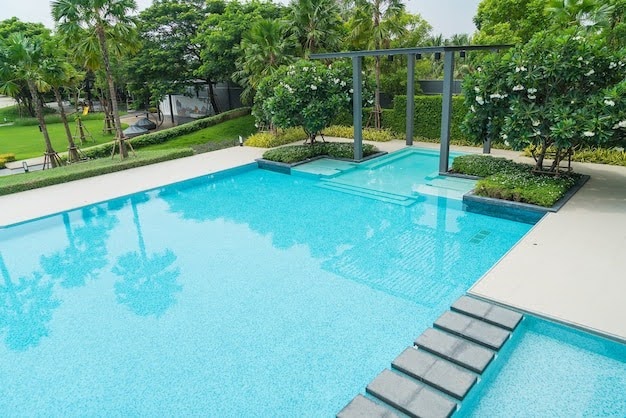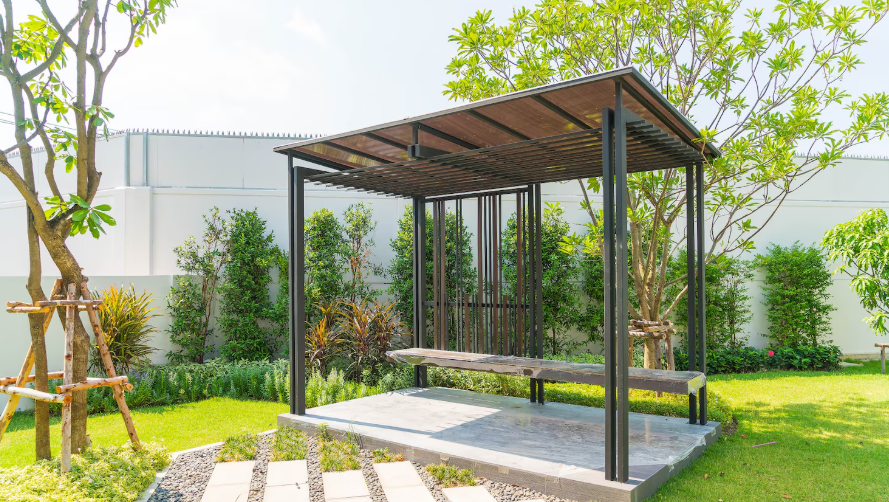
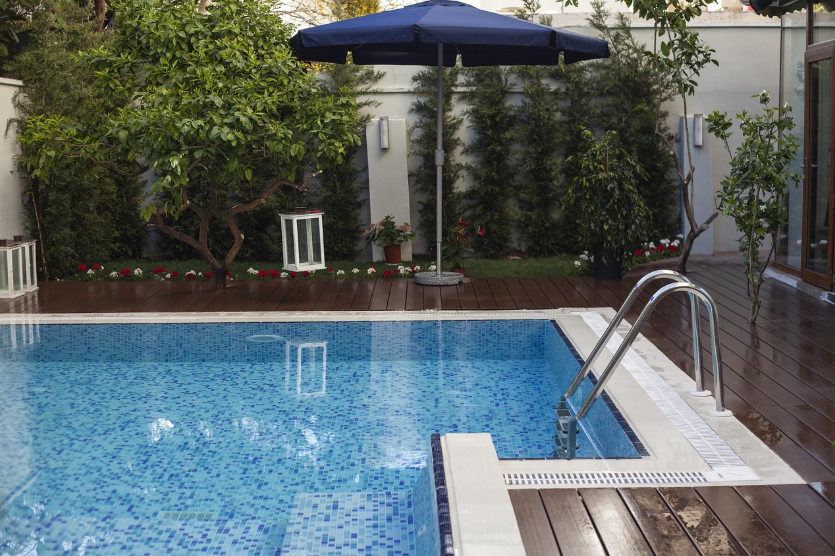
A pool can completely change how a backyard feels, but building one is a bigger decision than picking a shape from a catalog. The size of your yard, how you plan to use the pool, and the money you want to spend all matter.
A little planning can prevent expensive surprises later. This guide covers the practical details homeowners should consider before committing to an inground pool.
Start With Your Backyard
Before choosing a pool, take a good look at your backyard. The available space will affect the pool’s size, shape, and placement. You will also need room for walking, fencing, seating, and other features. Think about how you currently use the yard.
If children play there or you regularly host guests, squeezing in a huge pool might leave little space for anything else. Construction access matters too. Workers and equipment need a practical route to reach the building area. It helps to imagine the finished backyard rather than focusing only on the pool.
Think About Pool Use
The best pool design depends on how you expect to use it. A family with young children may want plenty of shallow space for play, while someone who enjoys swimming for exercise might care more about having enough room for longer laps.
If relaxing is your main goal, you may prefer comfortable seating and a peaceful layout. People who enjoy entertaining might want extra space around the pool for guests. Thinking about your actual habits can also stop you from paying for features you rarely use.
Consider Getting An Inground Pool Estimate
Getting an inground pool estimate early gives you a clearer idea of what the project could cost. It is much easier to adjust your plans before construction begins than after the digging starts. The price can depend on several things, including pool size, materials, property conditions, landscaping, construction access, and additional features.
When comparing estimates, do not simply choose the lowest number. Check what each estimate actually includes. One price might cover certain work that another leaves out. Asking questions now can help prevent awkward conversations later when you discover something costs extra.
Remember The Extra Costs
The pool itself is not the only expense. Fencing may be needed around the area, while landscaping can help the new pool blend into the backyard. You might also want lighting, outdoor furniture, or cleaning equipment.
Then there are the regular costs of owning a pool. Cleaning, water, energy, maintenance, and occasional repairs can all become part of your normal household budget. Planning for these expenses from the beginning makes the project easier to manage.
Make A Practical Plan
A good pool project starts with realistic expectations. Think about what you want, but also consider what your backyard can comfortably handle and what your budget can support. Make decisions based on everyday use rather than choosing features simply because they look impressive.
You should be able to enjoy the pool without constantly worrying about costs or maintenance. Take your time comparing plans and estimates, and ask questions whenever something is unclear. The right design is one that fits naturally into your home, your outdoor space, and your lifestyle.