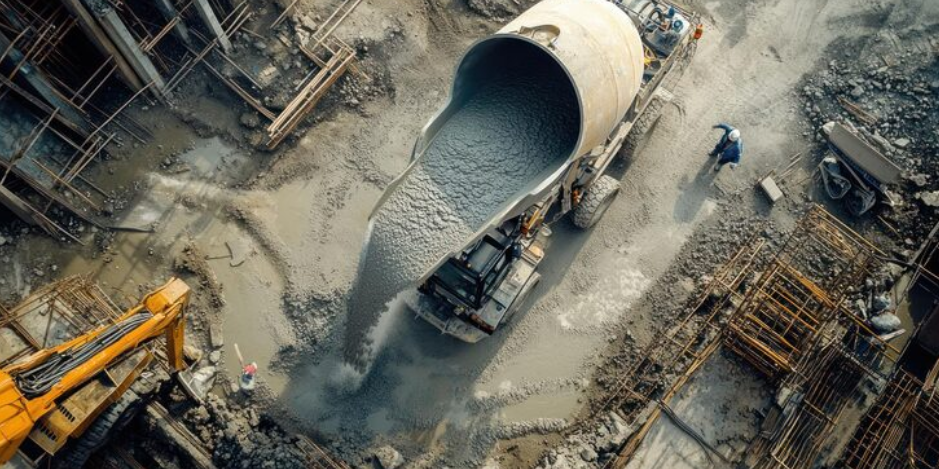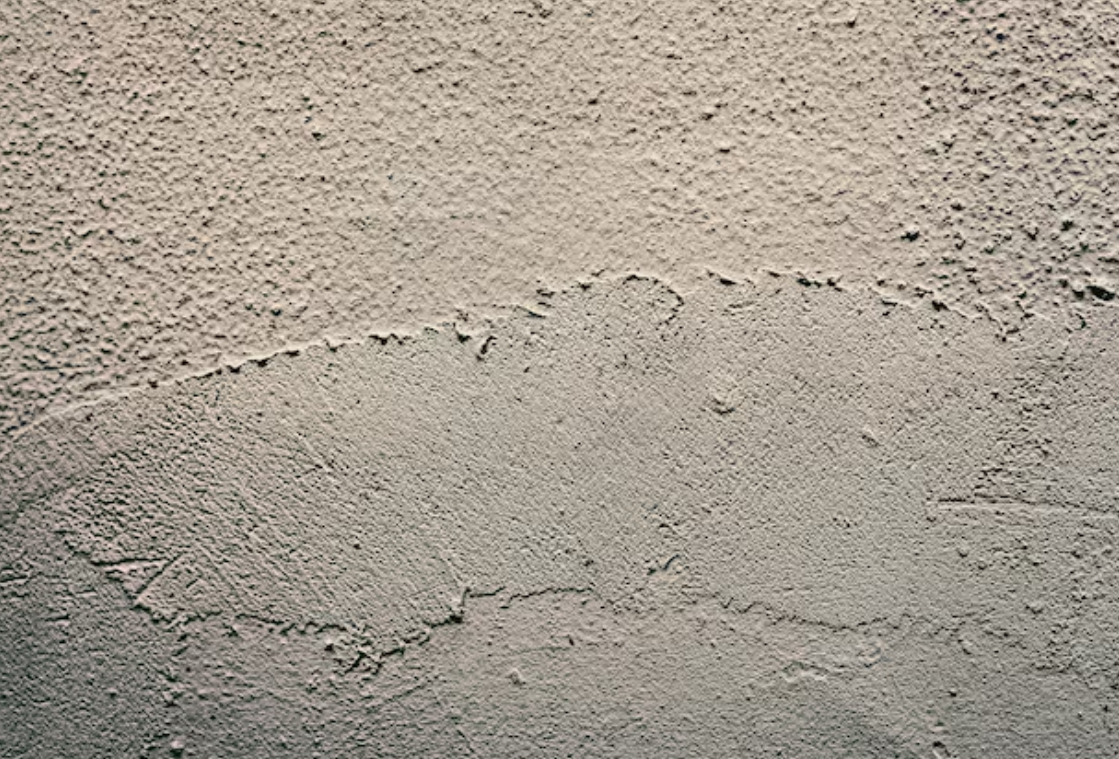
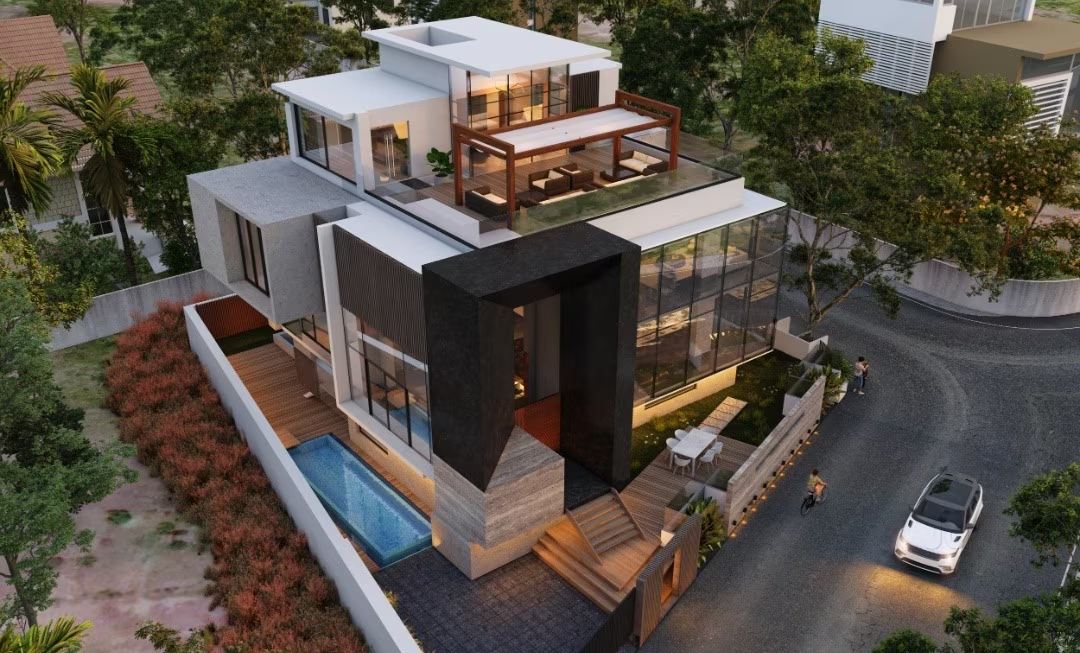
The current types of construction are based more and more on the newest materials and technologies to satisfy the growing demands of sustainability, durability, and a high level of efficiency. Concrete, as the foundation of many constructions, has undergone significant modifications over the past few years. This has enabled it to develop structures and infrastructure that are more long-lasting as well as environmentally friendly. For people who are interested in knowing more about these developments, or seeking a reliable concrete firm with information about the latest developments is important.
The most developed concrete solutions are aimed at the minimization of environmental impact and improved performance of the concrete, including durability, strength, and endurance. This is a strategy with the pressing issues touching on the efficiency of the resources and climate change, which will influence how we create the public space and the landscape of the cities and towns in the world.
Most of these innovations do not only concern the material, but also its application and maintenance as well. With the emerging trends of new approaches and materials, construction professionals, including architects and engineers, can provide efficient, sustainable, and safe projects. As the number of regulations and demands is rising, it is crucial to be informed about the new innovations that every participant in property development should be.
The new concrete methods and materials have demonstrated impressive performances in several real-life projects. To know more about the study of concrete and its application in the sphere, it is better to visit this helpful source of information by concrete specialists.
Graphene-Enhanced Concrete
Graphene is a thin sheet of carbon atoms that is packed into a hexagonal pattern and possesses unbelievable properties in the form of strength and elastic capability. The use of graphene in concrete mixtures has led to a concrete that is which is 30 percent stronger than regular concrete. This enhanced power enables the use of thin concrete slabs that minimize the quantity of material consumed and minimize the level of emissions that are released during the construction process. Moreover, the concrete that is mixed with graphene is more durable; hence, it is applicable in the construction of high-traffic infrastructure and also infrastructure that is exposed to adverse weather.
Self-Healing Concrete
Self-healing concrete is inspired by the ingenuity of the early Roman constructors, using calcium-rich materials or by specifically-designed microorganisms to fill in the cracks. When the crack forms, they respond to carbon dioxide, and limestone is released, which seals the hole. This autonomy prolongs the life cycle of concrete structures through a reduction of the crack formation; however, it reduces maintenance and repair expenses. The extensive application of self-healing materials can greatly reduce the consumption of resources on the maintenance of infrastructure as urban environments become older.
3D-Printed Concrete
The construction has resulted in better architectural designs and efficiency with the use of 3D printing. Architects are able to make non-linear and complex structures that would otherwise be impossible or expensive to build using traditional construction methods through the use of computer-controlled machines that are accurate in laying down the concrete and also minimize the amount of work hours and material waste. Moreover, it is a method of creating individually designed components that are manufactured to precise requirements, which enables the building industry to be customized quickly. The practice is gaining an increase in commercial and residential or general undertakings around the world.
Concrete Alternatives Based on Bio-Based Concrete.
Creative scientists are developing new types of concrete that utilise biodegradable, renewable materials. An example is Corncrete, a blend of corn and limestone derivatives that provides an ecologically friendly solution: it removes the necessity to use cement, which significantly contributes to the CO 2 emissions of the world. Other biotechnological-based alternatives use industrial waste, plant fibers, and recycled aggregates. These products not only contribute to the minimization of the impact on the environment, but also contribute to the establishment of an economy that is circular and stimulates sustainable sourcing and sustainable ecological balance.
Carbon-Cured Concrete
Carbon-cured concrete is made using a technique that involves the injection of carbon dioxide into the concrete curing mix. The chemical process that takes place is the one that forms stable minerals in the concrete, which fixes carbon in it, and this decreases the carbon footprint. Moreover, the process enhances such mechanical properties as the strength of compressive force and longevity. With increased governments establishing carbon reduction targets, carbon-cured concrete is a viable choice in meeting climate targets in the construction sector.
Fiber-Reinforced Concrete
To avoid cracking and tensile defects, companies are adding more fiber to concrete mix, such as glass, steel, and synthetic polymers. Fibers can spread loads evenly, thereby minimizing cracking and lowering the need to use conventional reinforcement. Bridge decks and other places that are prone to heavy dynamic loads due to their high resilience and reliability are ideal for the reinforcement of fiber-reinforced concrete. It also permits the establishment of innovative architectural aspects by the use of slender structural profiles.
Smart Precast Concrete
The application of sensors and connection devices within the precast concrete buildings is transforming the manner in which infrastructure management is being executed in real-time. The smart technology incorporated in sensors can be used to measure the variations in temperature, stress, and humidity, providing valuable information to engineers. This monitoring is proactive, and it is possible to intervene quickly, make it safer, and extend the lifespan of critical assets. The growing application of smart precast parts has transformed construction in such a way that structures have become more adaptable to the environment in which they are built and are easier to maintain over time.
Conclusion
New concrete technologies are significant in fulfilling the demands of contemporary construction. By employing new materials, like graphene and fibre, applying the latest technology, like 3-D printing, carbon curing, and embracing sustainability through the integration of bio-based solutions and smart technologies, construction professionals are developing more resilient and durable constructions as well as green ones. The result of these innovations becoming normal and accepted is that our built environment will become evidence of increased sustainability and efficiency in the future.