The increasing prices of energy have prompted many homeowners to seek out ways to cut their monthly energy bills. The major renovations to a building’s HVAC system or the replacement of a solar system can readily increase efficiency, but may not be feasible for all budgets. Thankfully, numerous home improvement jobs you can do at home that won’t require a ton of remodeling can make a difference in the amount of energy you consume.
Making your home more energy efficient is about minimizing the leakage, increasing the insulation value, and getting the best possible use of the resources that your home uses. There are plenty of small changes that can be made around the house that can have a huge impact over time, both in terms of saving money and enhancing comfort and environmental benefits.
No matter whether you’re a homeowner with a large family house or a smaller property, it is possible to make your home comfortable and reduce your costs over the long-term with some energy-saving techniques.
Understanding Where Energy Is Lost
To make improvements, it is important to first understand how homes lose energy. Heating and cooling equipment can also run more than they need to in many cases due to conditioned air leaking out through gaps and cracks, and where the systems are not sufficiently insulated.
Sources of energy loss are windows, doors, attics, and basements. Air leaks cause heating and cooling systems to work more and make utility bills higher, and can cause unnecessary stress on equipment.
Knowing more about these problem areas can be the first step towards improving energy efficiency.
Seal Air Leaks Around Doors and Windows
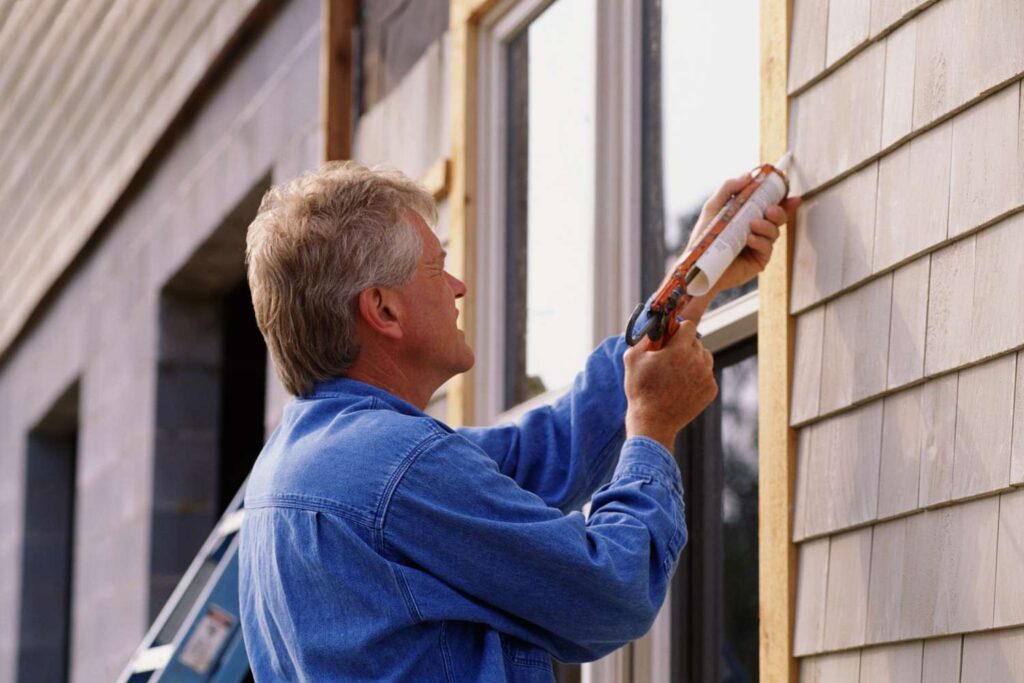
Sealing air leaks is one of the least expensive and easiest ways to save energy. Gaps around doors and windows can seem like a non-issue, but they can let a significant amount of conditioned air escape.
Simple solutions to minimizing drafts and improving indoor comfort are inexpensive weatherstripping and caulking. These materials come in a wide selection of easy-to-find options and can be installed by homeowners with some basic do-it-yourself skills.
This allows you to have a more even temperature in the house, saves on heating and cooling load, and reduces air movement.
Upgrade to LED Lighting
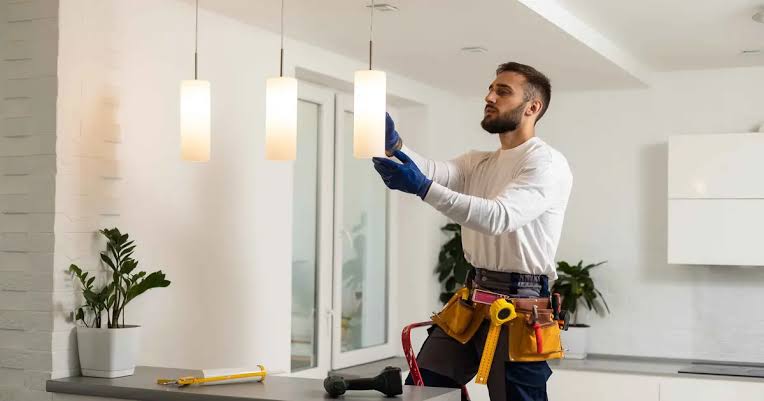
Lighting uses some energy in the home, so it’s a great place to save energy. Conservation of energy requires that much more electricity be used by traditional incandescent bulbs than by modern LED lights.
LED bulbs consume less power, burn for longer, and generate less heat. While they might cost a bit more at the outset, their durability and effectiveness can make them more profitable over time. A great way to reduce energy use is to replace bulbs in your home.
Improve Attic Insulation
The attic insulation is an important factor in controlling indoor temperatures. Lack of insulation results in the loss of heat in winter and gain in summer, increasing the difficulty and cost of controlling the temperature.
Insulating or insulating over the attic will increase comfort year-round and will lower heating and cooling bills. Effective insulation will keep the temperature in the house constant and place less stress on the HVAC systems.
This project can be more expensive than other home insulation improvements, but it can provide significant long-term savings.
Use Smart Thermostats for Better Control
Smart thermostats are new and popular among homeowners wanting to take more control of their energy use. Smart thermostats are different from regular thermostats because they learn the family’s routine and automatically adjust the temperature accordingly for optimum efficiency.
There are lots of systems that enable homeowners to regulate temperatures away from home by means of smartphone apps. This allows for the lowering or raising of the temperature in the house when nobody is there, and adjusting it back up before the guests come back again.
By optimizing temperature settings, smart thermostats help eliminate unnecessary energy use while maintaining comfort.
Maintain Your Heating and Cooling Systems
No matter how sophisticated the HVAC system is, it can’t function effectively without maintenance. When systems are forced to work harder than they need to, they are because of dirty filters, clogged vents, and neglected equipment.
Regular replacement of the air filters enhances system efficiency and airflow. Having professional inspections can also help prevent small problems from becoming large problems.
Regular maintenance helps to prolong the lifespan of equipment and helps to optimize heating and cooling systems.
Install Energy-Efficient Window Treatments
Windows can contribute to substantial heat gain or loss year-round. Window replacement is costly, but homeowners can still enhance the efficiency of their windows with less expensive alternatives.
Thermal curtains, cellular shades, and insulated window treatments can help keep your indoor temperatures more in check by limiting heat transfer. These can help to prevent the sun’s heat and lower cooling needs during hot weather.
During the winter, they can help keep the house warm and comfortable, while also lowering heating costs.
Reduce Phantom Energy Consumption
Many electronic gadgets still use power when not in use. Often referred to as phantom energy usage, this phenomenon can bring a lot to monthly utility bills.
Many of the devices, such as TVs, game consoles, chargers, and kitchen appliances, consume electricity even when they are powered on. Eliminating this wasteful use can be achieved by turning off devices when not in use or by using smart power strips.
Every device consumes only a little power, but all of them add up when it comes to your family’s electricity bill.
Upgrade Water Efficiency
A large amount of domestic energy is used in water heating. Saving hot water will then help to save water and energy costs.
Low-flow showerheads and faucets use less water, but don’t reduce performance. Promptly repairing leaks also helps to save waste and utility expenses.
Homeowners can also increase efficiency by reducing the temperature of water heaters to the recommended temperatures and insulating hot water pipes as needed.
Make Better Use of Natural Light
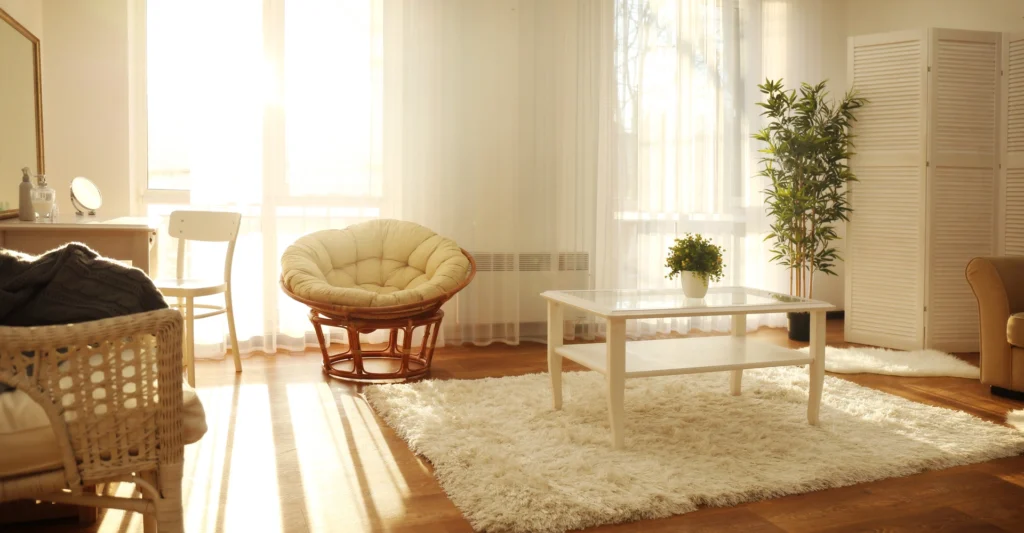
During the day, natural light is a good substitute for electricity. Let sunlight come in through the windows, open curtains and blinds.
Mirrors can also be strategically placed to spread the natural light around a room. The simple technique provides spaces with a lighter atmosphere and less reliance on electrical fixtures.
When it comes to lighting, using natural light in a home will not only save energy but also enhance the ambiance.
Develop Energy-Conscious Habits
Daily habits are crucial to energy efficiency, as is technology and upgrades. By switching off lights when they are not in use, operating the appliances at off-peak times, and setting the thermostat at the right temperature, energy can be conserved.
If everyone in your household practices energy consciousness, the improvements will have the maximum impact.
As time passes, these minor adjustments can lead to significant savings without the need to make extra investments.
Conclusion
It’s not always as costly as upgrading your home or building a new structure to become more energy-efficient. Taking steps to fix air leaks, invest in better lighting, insulation, and HVAC systems, and engage in smarter lifestyle choices all contribute to homeowners saving energy and improving comfort within their homes.
The best strategy is to take a series of small steps that will have long-term benefits. These enhancements can have a lasting impact on reducing energy costs, boosting home values, and promoting sustainability over time. Thorough planning and diligent work will ensure that any homeowner can reap the benefits of a more energy-efficient home.