Creating a home that balances aesthetic beauty with practical utility is the ultimate goal of modern interior design. A truly successful living space does not just look impressive in photographs; it facilitates a seamless daily routine while providing a sense of comfort and pride for its occupants.
Achieving this harmony requires a thoughtful approach to spatial planning, the integration of smart technology, and a keen eye for high-quality finishes.
By focusing on both the visual and the mechanical aspects of your residence, you can transform a standard house into a sophisticated sanctuary that caters to every aspect of contemporary life.
1. Achieving Seamless Light Control With Automated Blinds For Windows
Modern elegance is often defined by clean lines and the intelligent use of natural light. One of the most effective ways to modernize your living environment is to install high-quality automated blinds for windows.
These systems allow you to regulate the brightness and privacy of your rooms with the touch of a button or a simple voice command. By utilizing automated blinds for windows, you eliminate the visual clutter of manual cords and chains, contributing to a minimalist and polished look.
Furthermore, these smart treatments can be programmed to open and close according to the sun’s position, protecting your fine furniture from UV damage while maintaining an optimal indoor climate.
2. Transforming Private Retreats With Creative Bathroom Ideas
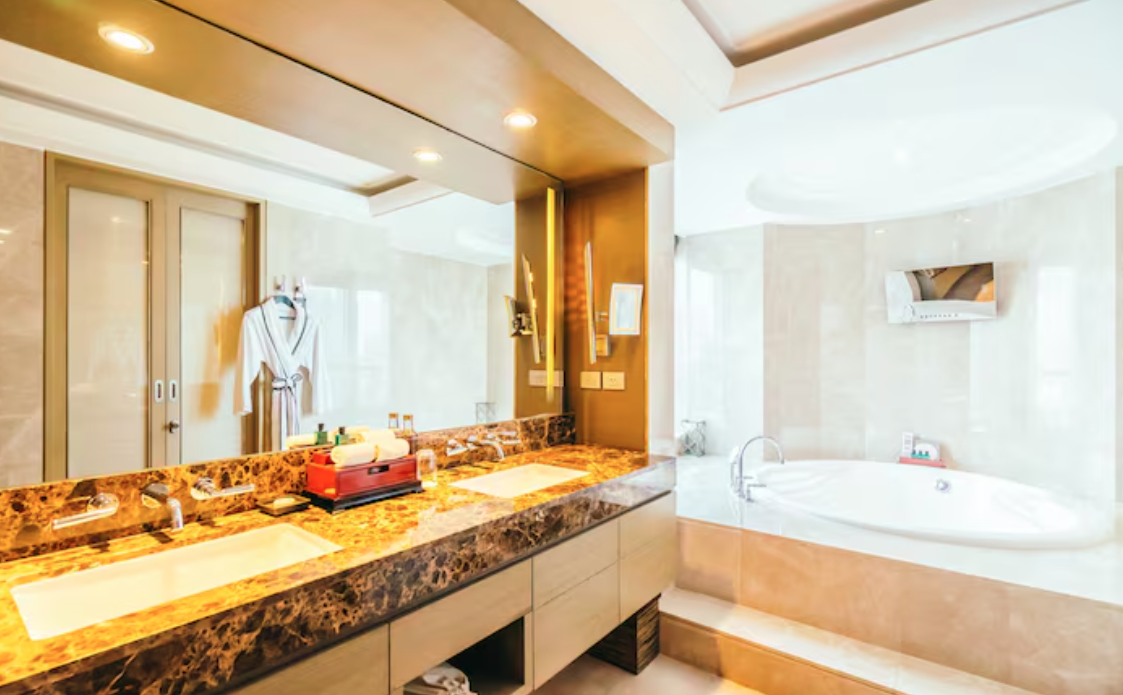
The bathroom has evolved from a purely functional space into a private spa-like retreat that significantly influences the home’s overall value. Implementing fresh bathroom ideas can revitalize the sense of luxury in your master suite or guest quarters.
Consider incorporating walk-in rain showers, floating vanities, and backlit mirrors to create a modern, airy feel. Other impactful bathroom ideas include the use of natural stone tiles and heated flooring, which provide a tactile sense of luxury.
By prioritizing high-end fixtures and clever storage solutions, you ensure that the space remains organized and visually tranquil.
3. Optimizing Flow Through Open Concept Architecture
The structural layout of a home dictates how residents interact with their environment and with each other. Removing non-load-bearing walls to create an open-concept kitchen and dining area can make a property feel significantly larger and more inviting.
This architectural shift allows for better air circulation and ensures that natural light reaches deeper into the home. When the transition between rooms is fluid, the house feels more cohesive and better suited for both quiet family evenings and large-scale social entertaining.
4. Investing In Durable And Sophisticated Flooring Materials
Flooring serves as the literal foundation of your home’s design and is subject to the most significant wear and tear. To enhance both elegance and functionality, it is essential to choose materials that are as resilient as they are beautiful.
Hardwood floors offer a timeless warmth, while high-grade porcelain tiles provide a sleek, waterproof surface ideal for high-traffic areas.
Utilizing a consistent flooring material throughout the main living areas creates a visual continuity that expands the perceived space and simplifies the cleaning process.
5. Integrating Versatile And Multi Purpose Furniture
In many modern homes, space is a precious commodity that must be managed with care. Functionality is greatly enhanced by selecting furniture that serves more than one purpose.
For example, a stylish ottoman that provides hidden storage or a guest bed that folds into a custom cabinet can maximize the utility of a room without sacrificing its style.
By choosing pieces with slim profiles and high-quality upholstery, you can maintain a sophisticated atmosphere while ensuring that every square foot of your home is working to support your lifestyle.