The issue of energy efficiency has emerged as a priority for homeowners who want to save on energy costs, boost their home’s market value, and enhance living comfort. With the cost of energy climbing and people becoming more environmentally conscious, more and more are investing in home improvement projects that will save them money over time.
The rising costs of energy and the increased awareness of the environment have prompted many people to invest in home improvement projects that will save them money in the long run. Whether you’re considering an extensive home remodeling project or just tackling a few minor improvements, investing in energy-efficient solutions can have a major impact on your home’s energy usage and performance.
This guide covers some of the most cost-effective energy-efficient home improvements, the advantages they provide and how they can help conserve while saving money.
What is an Energy Efficiency Home Improvement Upgrade?
Energy-efficient home improvement upgrades are renovations or installations which will lower the energy that your home consumes. Such improvements can help keep the indoor space comfortable, reduce heating, cooling, lighting and electricity bills.
This can include improving insulation, upgrading old windows, installing energy-efficient appliances, switching to LED lights, and implementing other renewable energy systems, such as solar panels.
This not only helps you save money on your monthly utility bills, but also helps your home be more environmentally friendly and value-adding.
What is the Reason Behind Homeowners Investing in Energy-Efficient Upgrades?
There’s instant and long-term advantages to investing in energy-efficient improvements.
The good points are that some of:
- Save on electricity and heating costs per month
- A year-round enhanced indoor comfort.
- This will increase the value of your home.
- Reduced environmental impact
- Extended useful life of equipment and systems.
- Any future possible government rebates or tax incentives
A lot of improvements are energy efficient and will make your money worth your while over the years.
What are the Most Energy-Efficient Home Insulation Upgrades?
Insulation is one of the best ways to increase energy efficiency.
Attic Insulation
In fact, heat always rises and the attic is one of the biggest sources of energy loss. Increase or replace attic insulation can keep warm air in during winter and prevent heat from entering the house during the summer months.
Wall Insulation
Many older houses do not have adequate wall insulation. Using modern insulation materials will drastically help in controlling temperature and lessen HVAC working load.
Insulating the floor and basement is the recommended home renovation for winter homes.
Insulating above crawl space and basement walls reduce drafts and provides better overall comfort.
With the correct insulation, your heating and cooling expenses could be cut by as much as 20% or more, depending on the state of your home.
What Benefits do You Get from Installing Energy-Efficient Windows?
As the older windows begin to leak, hot or cold air can escape, forcing HVAC systems to run more.
Today’s energy-efficient windows come with a number of features, including:
Double or Triple Glazing
Double or triple pane windows offer more insulation than single pane windows.
Low-E Glass Coatings
These coatings are heat reflectors and let in natural sunlight.
Gas-Filled Windows
Between the panes is a layer of argon or krypton gas for added insulation.
Old windows can be replaced with new ones, which will increase the comfort of the home, decrease noise, and save energy costs year round.
Why Energy Efficient HVAC Systems are a Necessity?
The greatest use of energy in most homes is for heating and cooling.
A high-efficiency HVAC system can be installed to replace a dated HVAC system, and there are many benefits to doing so:
Better Temperature Control
The modern system helps in maintaining indoor temperature with lesser energy.
Lower Energy Consumption
Higher-efficiency furnaces, heat pumps and air conditioners use much less electricity.
Reduced Maintenance Costs
New equipment will typically need less repairs to work and it will work more reliably.
Properly maintaining your HVAC system, such as regular air filter changes and annual inspections, can also boost efficiency.
So is LED Lighting a Good Investment?
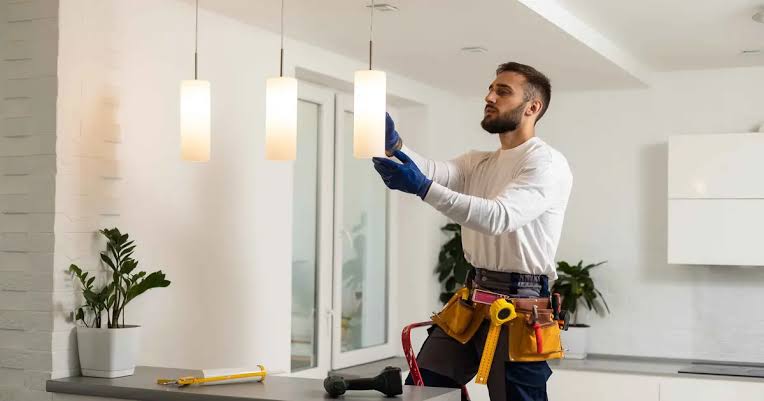
LED lighting is one of the most simple and low-cost energy-efficient retrofits to make.
Benefits include:
- Lower Electricity Usage
- LED bulbs use up to 80% less electricity than traditional incandescent bulbs.
- Longer Lifespan
- Most LED bulbs last between 15,000 and 50,000 hours.
- Reduced Heat Production
LEDs emit little heat, which decreases the air conditioning requirements for indoor spaces.
Converting all the light bulbs in your house to LED bulbs can significantly reduce your electric bills.
Is it Worth Installing Smart Home Technology?
Smart home technology enables homeowners to use energy most efficiently while maintaining a comfortable environment.
Popular options include:
Smart Thermostats
They regulate temperature automatically depending on the presence of people and their daily timetables.
Smart Lighting
Automatic room shutdown of lights when no one is present.
Smart Power Strips
They cut down on the amount of electricity that electronics waste when they are not in use.
Energy Monitoring Systems
These systems monitor electricity and look for energy conservation opportunities.
Every day, automation helps to save unnecessary energy.
Is Solar Panels a Sound Long-Term Investment?
One of the biggest and most effective energy-saving home improvements is solar panels.
Benefits include:
- Lower Electricity Bills
- Installing your own power cuts your reliance on electricity providers.
- Increased Property Value
- Solar powered homes are very attractive to many buyers.
- Environmental Benefits
- Solar power generates clean, renewable energy with no greenhouse gas emissions.
While installation may be expensive, the money is often offset by long-term energy savings, as well as incentives.
How Do Energy Saving Appliances Save Money on Your Energy Bills?
Older appliances can consume more energy than those that meet or exceed ENERGY STAR standards.
Consider upgrading:
- Refrigerators
- New refrigerators consume a lot less power than older models.
- Washing Machines
- The high efficiency washers save water and power.
- Dishwashers
- Newer models provide a better cleaning result in a reduced amount of water.
- Water Heaters
- Tankless water heaters or heat pump water heaters are much more energy efficient than conventional water heaters.
These changes save water and energy as time goes on.
What are the Small Energy-Efficient Improvements that Make a Big Difference?
You don’t need to have a big budget to make an upgrade.
Affordable improvements include:
- Sealing air leaks from windows and doors
- Installing weather stripping
- Adding door sweeps
- Efficient use of ceiling fans
- Installing low-flow showerheads
- Regularly clean the vents of the HVAC system.
- Shutting off fireplace dampers when not in use
Energy savings can be significant with small improvements.
Conclusion
One of the best investments homeowners can make is to upgrade their homes for energy efficiency. Whether it’s replacing windows for better insulation, installing LED lights, smart thermostats, or solar panels, these upgrades all help to reduce energy costs, enhance comfort within the home, and boost property value.
There are many benefits to be gained by energy efficiency, whether you’re aiming for major renovations or just trying to find inexpensive ways to save energy. With some careful improvements now, you can have a more comfortable home today, and save money for years ahead.
Frequently Asked Questions (FAQs)
1. What is the most cost-effective energy-saving home improvement?
Some of the easiest and cost-effective fixes that can save energy are upgrading to LED lights and sealing air leaks.
2. Are energy-efficient windows a good investment for lowering energy costs?
Energy-efficient windows lower heat loss to improve your heating and cooling systems.
3. Are solar panels a good investment?
Many homeowners can save money over the long term with solar panels by saving on their electricity bills and boosting property value.
4. When do you need to change home insulations?
Insulation can last for years, but if you have uneven temperatures in your home or higher energy bills, it should be checked.
5. Which household appliances consume the least amount of energy?
ENERGY STAR qualified appliances such as refrigerators, dishwashers, heat pump water heaters, washing machines and HVAC provide the highest energy savings.
6. Is it possible to save electricity using smart home devices?
Smart technology for thermostats, lighting, and energy monitors ensure that energy is not wasted and overall efficiency is maximised throughout the home.